Character route
Hidden Gem Sake
Hidden gem sake is not simply inexpensive sake. It is sake that may not look obvious from the label alone, but has a clear reason to drink it: flavor, texture, food pairing, serving temperature, brewery context, or editorial discovery.
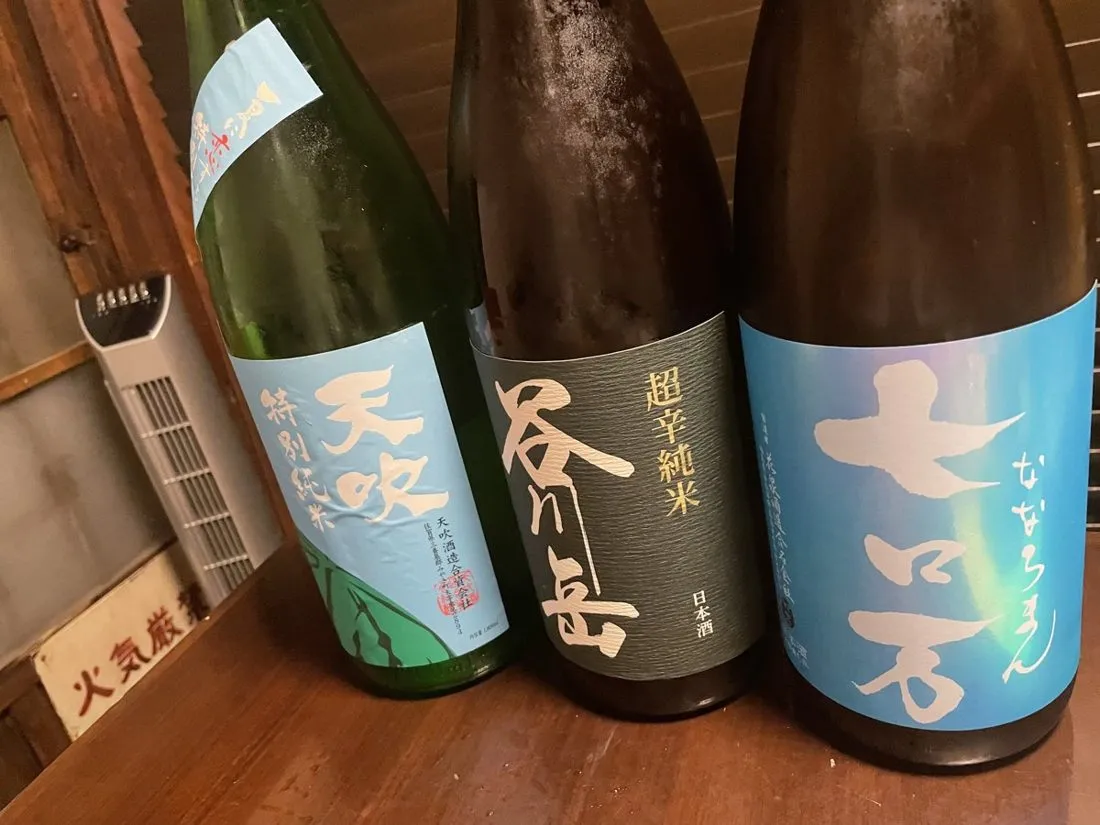
Look beyond the label
Some sake does not announce itself through famous labels, luxury cues, or obvious category signals. It may sit in a familiar category, come from a less expected region, use an unusual format, or reveal its best side only with food or the right serving temperature.
Hidden gem sake is not ranked as better than famous sake. It simply offers a clear reason to drink that may be easy to miss if you choose only by label recognition.
What makes a sake a hidden gem?
A hidden gem is not defined by being cheap. It is a bottle that can be overlooked, but has a specific point of interest: bright acidity, savory depth, unusual texture, regional character, temperature flexibility, or a strong pairing role at the table.
On Sake Coordinates, hidden gems are selected through an editorial lens: how the sake tastes, when it works, what food it supports, and whether it offers a useful discovery route for US drinkers.
Hidden gems by food, temperature, or mood
Food is often where overlooked sake becomes easier to understand. Savory or dry bottles can work with grilled beef, aged cheese, yakitori, mushrooms, grilled salmon, or soy-braised dishes.
Some hidden gems are about temperature and mood rather than intensity. A flexible honjozo can move through a meal, while a bright low-polish bottle may be strongest as a chilled, lively pour.
Collection (7)
- Junmai
Koshi no Homare “90” Pink
Koshi no Homare
Unfiltered Unpasteurized Low Polish Acid Driven Chilled- Sweet
- Acid
- Body
- Umami
- Aroma
- Finish
- Futsushu
Kikusui “Funaguchi” Kunkou Black
Kikusui
Bold Umami Forward Unpasteurized Food Friendly Chilled Room Temperature Warm Hot- Sweet
- Acid
- Body
- Umami
- Aroma
- Finish
- Honjozo
Ichinokura “Mukansa” Amakuchi
Ichinokura
Easy Drinking Beginner Friendly Food Friendly Hidden Gem Chilled- Sweet
- Acid
- Body
- Umami
- Aroma
- Finish
- Ginjo
Narutotai “Ginjo” Nama Genshu
Narutotai
Bold Unpasteurized Food Friendly Editor Pick Chilled- Sweet
- Acid
- Body
- Umami
- Aroma
- Finish
- Junmai
Shichida “Junmai”
Shichida
Food Friendly Easy Drinking Shines When Chilled Underrated Chilled- Sweet
- Acid
- Body
- Umami
- Aroma
- Finish
- Tokubetsu Junmai
Otokoyama “Tokubetsu Junmai”
Otokoyama
Bold Food Friendly Umami Forward Hidden Gem Chilled Room Temperature- Sweet
- Acid
- Body
- Umami
- Aroma
- Finish
- Tokubetsu Honjozo
Hakkaisan “Tokubetsu Honjozo”
Hakkaisan Brewery
Food Friendly Shines When Warm Easy Drinking Hidden Gem Chilled Room Temperature Warm- Sweet
- Acid
- Body
- Umami
- Aroma
- Finish
FAQ
What is a hidden gem sake?
A hidden gem sake is a bottle that may be easy to overlook but has a clear reason to drink it. That reason might be flavor, food pairing, temperature flexibility, regional context, texture, or an unusual style that does not show from the label alone.
Does hidden gem sake mean cheap sake?
No. Hidden gem sake does not mean cheap sake. It means the bottle may be underrecognized or less obvious, while still offering a specific drinking value such as savory depth, acidity, food compatibility, or temperature range.
How do I find underrated sake?
To find underrated sake, look beyond famous labels and category cues. Pay attention to taste summaries, food pairings, serving temperature, and editorial notes. A sake can be underrated because it fits a real drinking context better than a more familiar bottle.
What sake should I try beyond famous brands?
Try sake with a clear point of difference: a savory nama genshu, a full-bodied junmai, a flexible honjozo, or a tart and fruit-driven low-polish style. The right starting point depends on whether you want food pairing, chilled freshness, warm service, or unusual texture.
Can hidden gem sake pair well with food?
Yes. Many hidden gem sake bottles are strongest with food. Savory, umami-forward, dry, or full-bodied styles can work especially well with grilled fish, mushrooms, yakitori, aged cheese, sushi, and soy-braised dishes.
Should hidden gem sake be served chilled or warm?
It depends on the bottle. Some hidden gems are best chilled for freshness and acidity, while others work at room temperature or warm because the body and savory notes become more expressive.