2026-07-15
Ura-ya, Ikebukuro: Tatsuriki Shinryu Nishiki with Namerou
Ura-ya sits in Ikebukuro with a familiar izakaya rhythm: counter seats, fish dishes, and a sake list that invites questions. The visit on June 26 started as a rainy-night stop after work, but the clearest memory was simple: Tatsuriki Shinryu Nishiki Nama with namerou, a miso-seasoned minced fish dish often served as a sake-friendly izakaya appetizer.
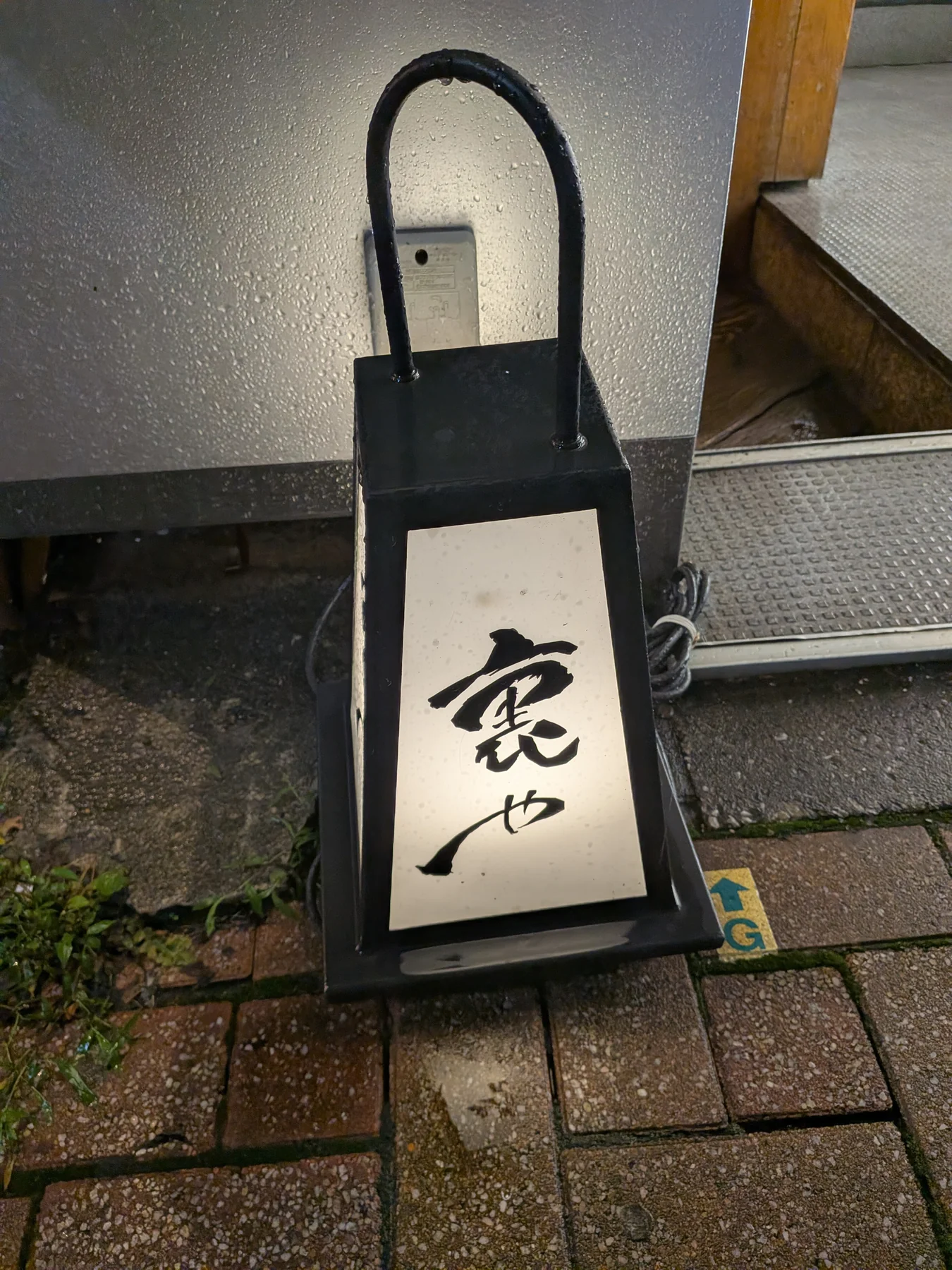
The entrance sign for Ura-ya in Ikebukuro.
What I drank
Tatsuriki Shinryu Nishiki Nama is a rice-driven junmai ginjo from Honda Shoten in Hyogo. In the glass, it showed more grain and structure than aroma: a little sweetness at the start, then a clean finish that kept it firmly in food-sake territory.
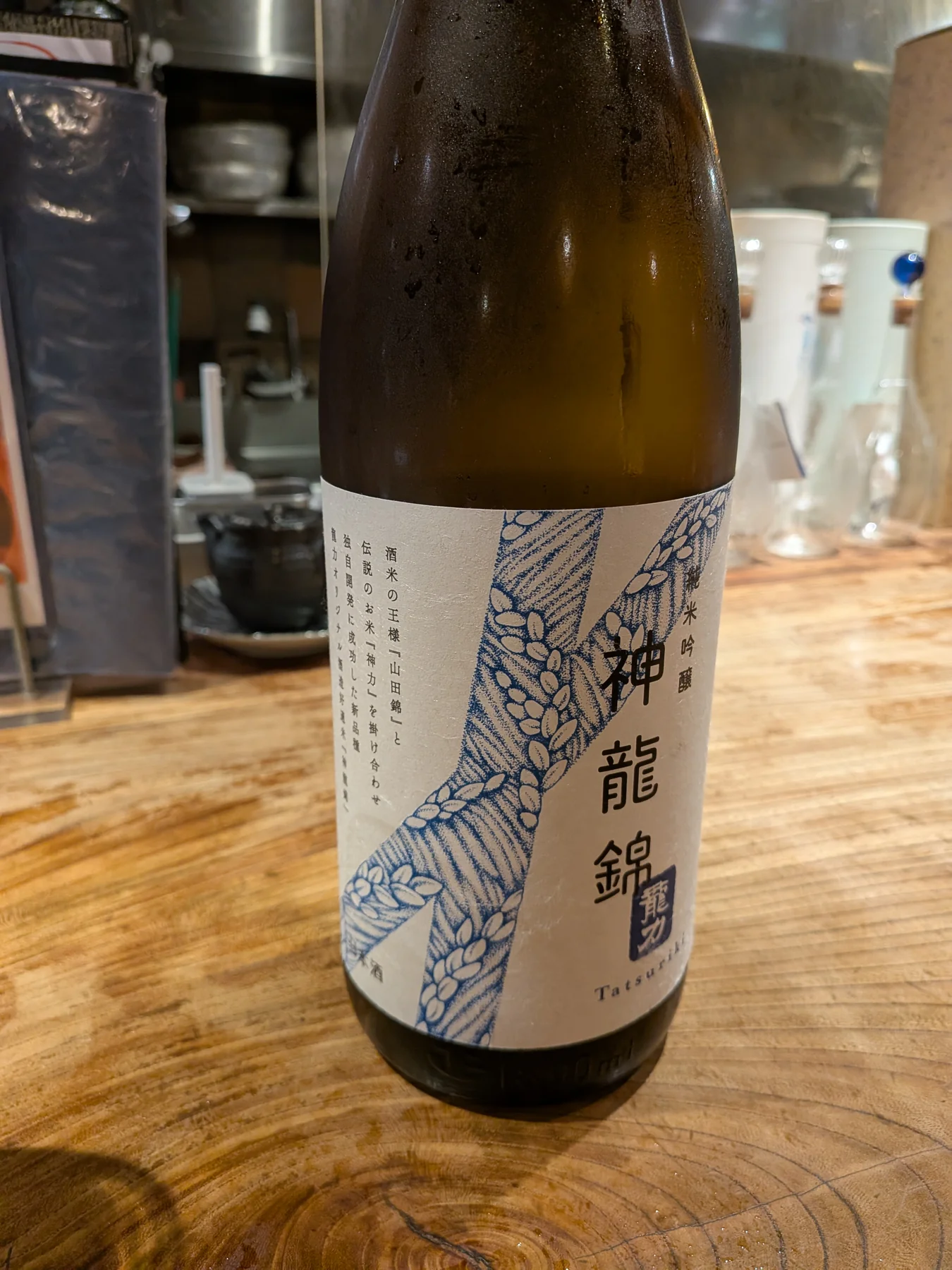
Tatsuriki Shinryu Nishiki Nama, the night’s main sake.
Why the pairing worked
Namerou can be a compact dish: minced fish, miso, aromatics, and enough savoriness to make a softer sake disappear. Tatsuriki did the opposite. Its rice umami met the fish and miso, while the finish kept the pairing from feeling heavy.
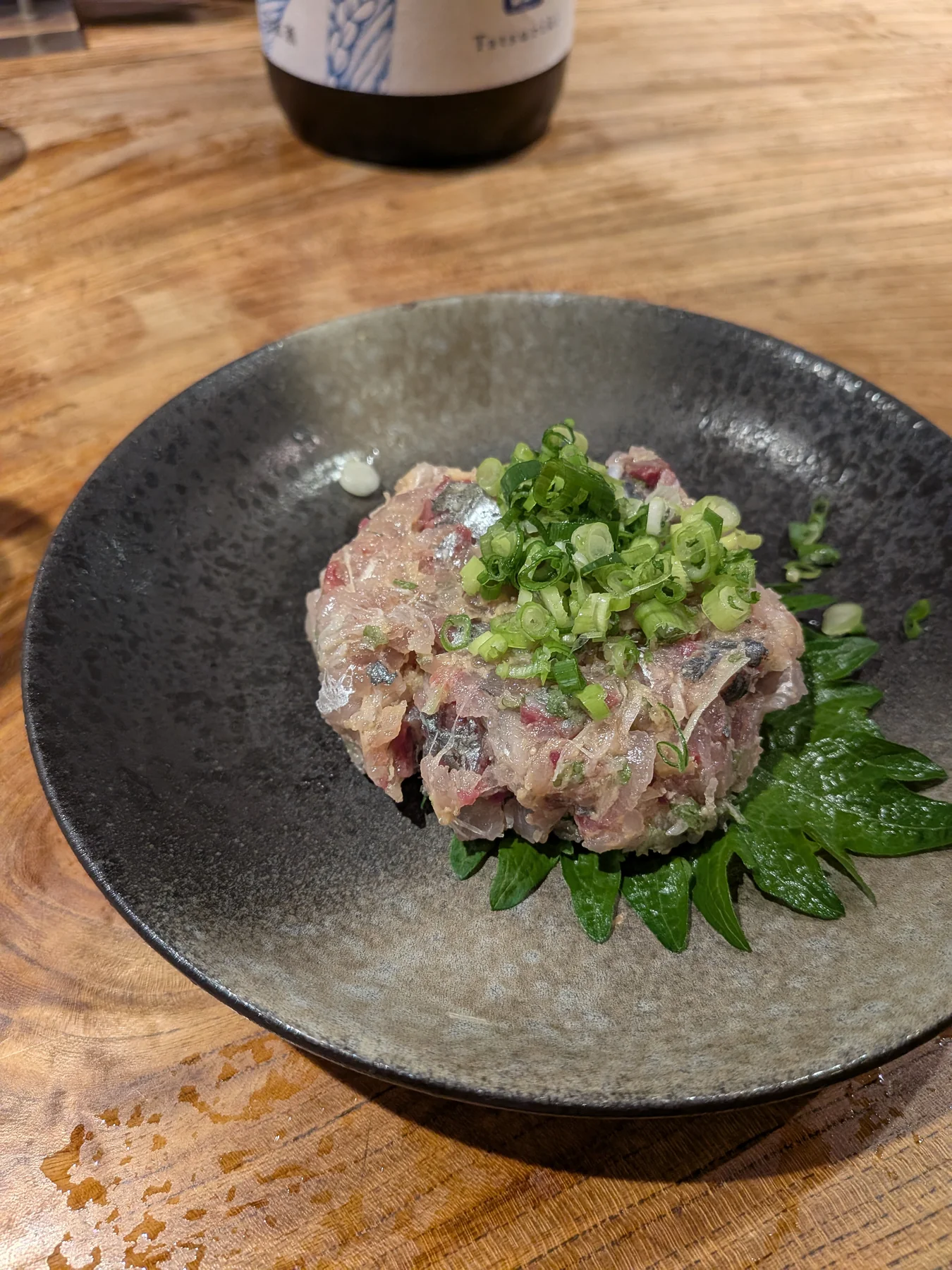
Namerou, the dish behind the night’s best pairing. This is food-only pairing context, not a direct bottle-plus-dish pairing photo.
Around the table
The rest of the meal stayed in the same lane: izakaya dishes built for sake rather than for show. Miso-grilled chicken gave Te to Te a richer, saltier target; its sweetness and aroma needed a dish with enough weight to meet it.
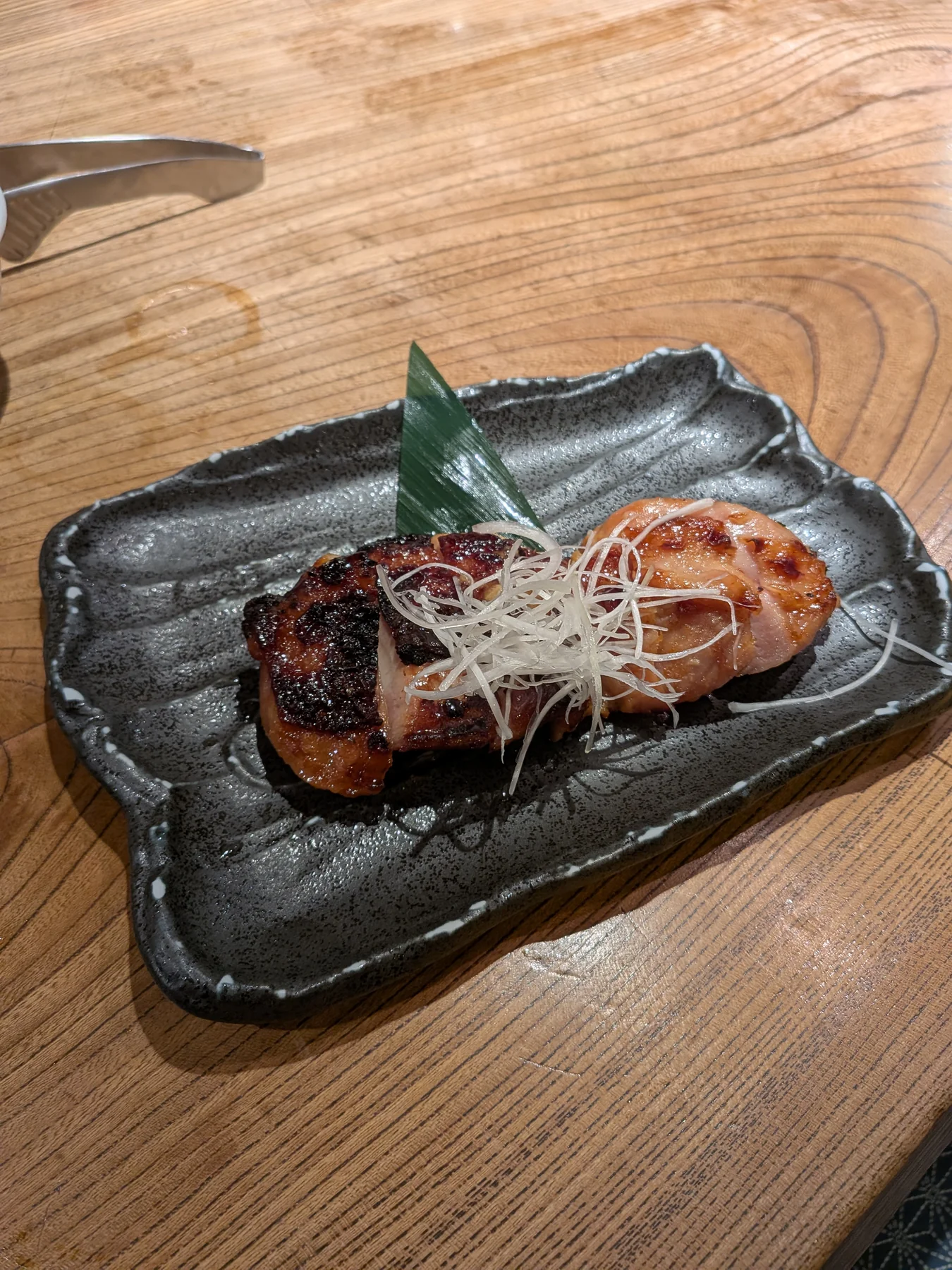
Miso-grilled chicken, one of the supporting dishes at Ura-ya.
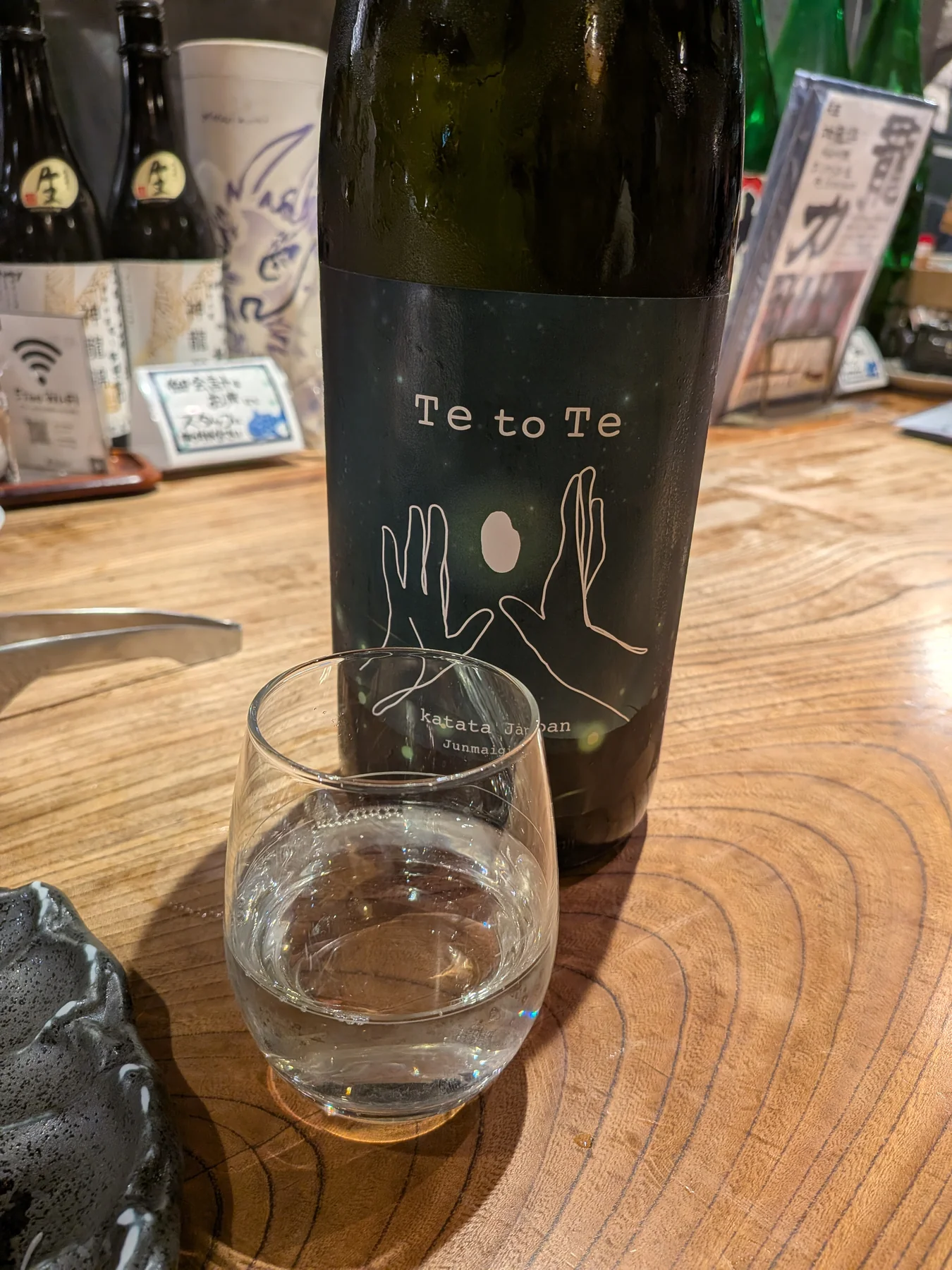
Te to Te, a sweeter summer sake served later in the visit.
Kouzuru Junmai Karakuchi rounded out the night as the easier all-purpose food sake: dry, clean, and more about keeping pace with the table than taking over it. A tofu salad and the other small dishes made the point: Ura-ya is at its best when the sake is part of the meal, not an interruption.
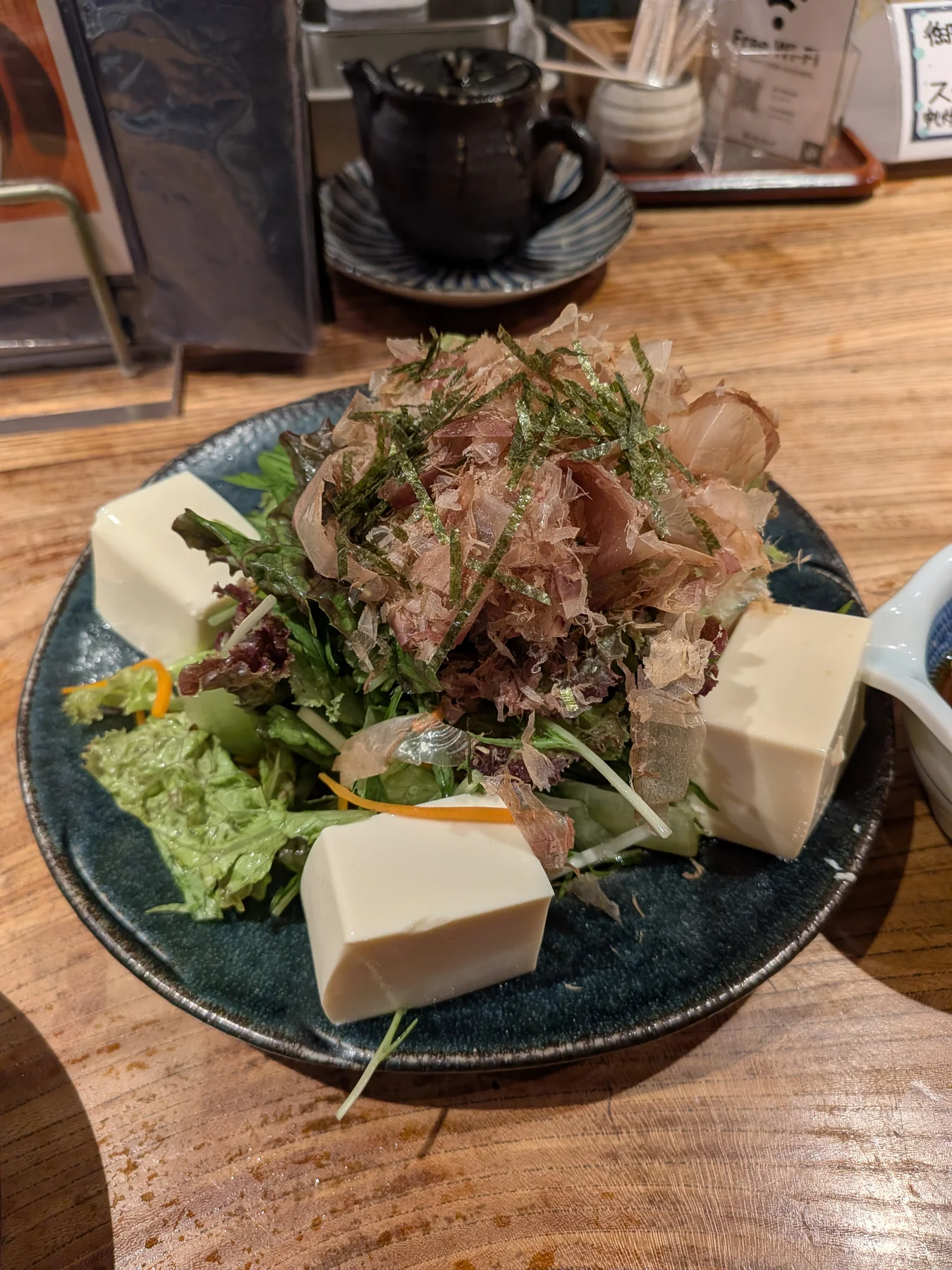
A tofu salad from the same visit.
The room
Ura-ya runs on a friendly, explanatory style of service — the staff walked through each bottle’s backstory, including the rice behind Shinryu Nishiki, rather than just pouring and moving on. It’s an easy room to ask questions in, and a good one to build into a repeat routine: next time, letting the staff choose the pairings is high on the list.
Namerou has no vinegared rice, but the same questions about fish, seasoning, umami, and finish carry into choosing sake for sushi. Because the pairing here leaned heavily on rice umami meeting fish and miso, the umami-rich sake guide is the next useful comparison.
Browse all sake by category, or compare bottles on the Taste Map.