2026-10-12
Maru Bengara, Shibuya: Kuheiji SAUVAGE with Teriyaki Pork
On July 18, 2026, I returned to Maru Bengara on the third floor of Shibuya Stream. I knew the restaurant from lunches built around fish and rice cooked in a pot, but this time I came alone in the evening for sake and smaller dishes. The pairing I remember most was not fish at all: Kuheiji SAUVAGE 2024 alongside teriyaki pork belly.
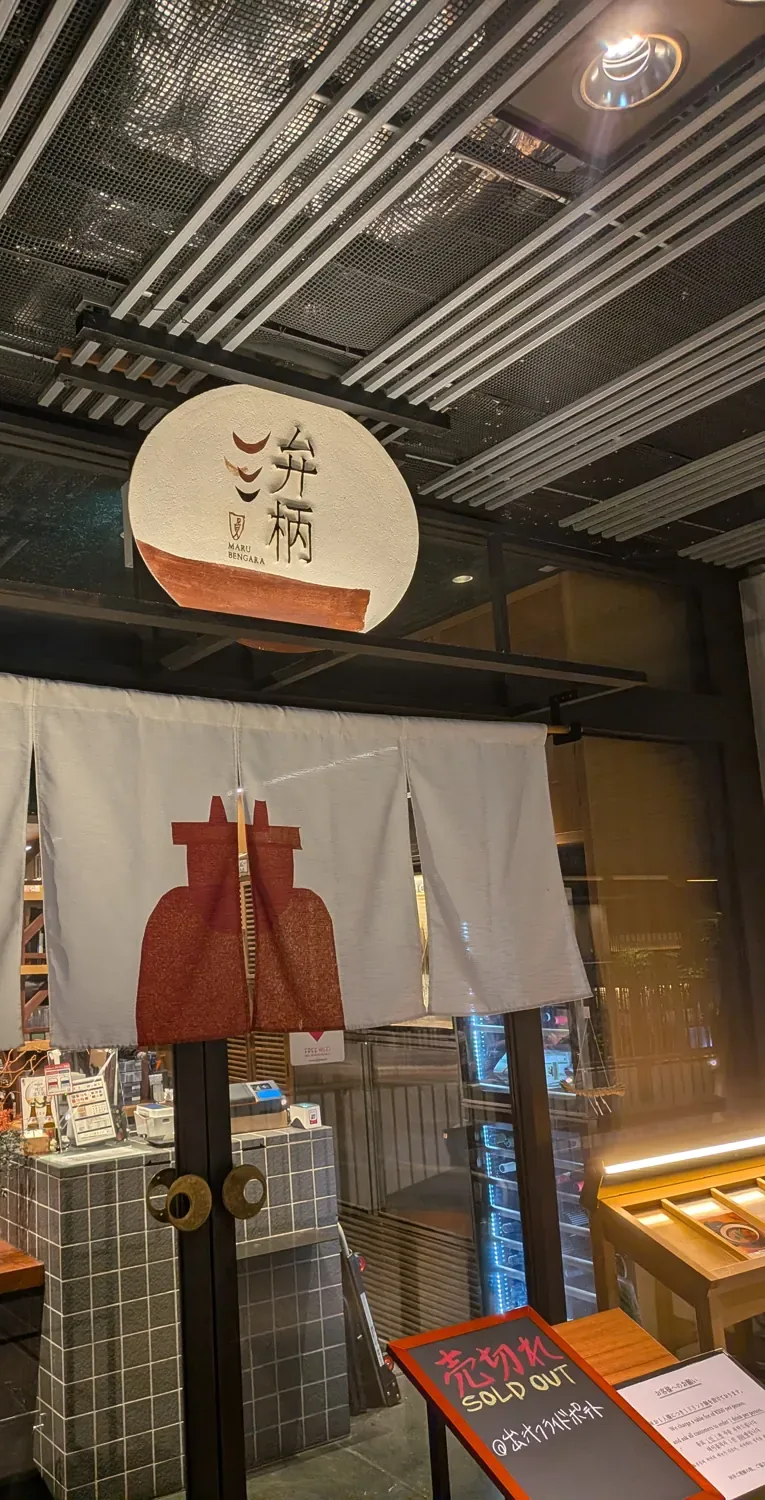
The entrance to Maru Bengara at Shibuya Stream during the visit.
From seafood to glazed pork
I ordered a shirasu salad, corn chawanmushi (savory steamed egg custard), straw-seared yellowtail, grilled white squid, and teriyaki pork belly. The meal started with seafood in mind, but the richer pork ended up making the clearest impression with both sake.
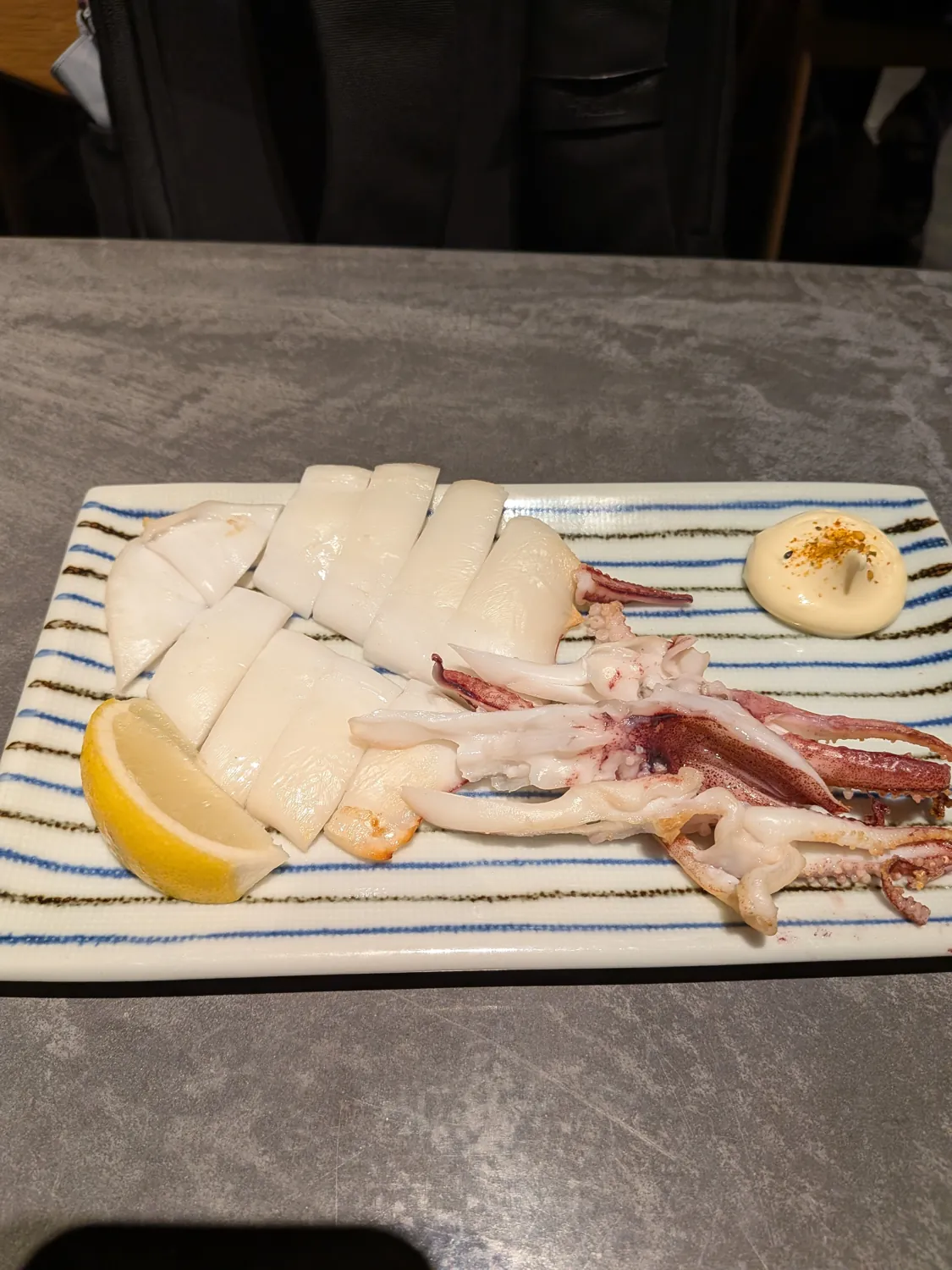
Grilled white squid from the evening’s order.
Hitakami: the same bottle, a different visit
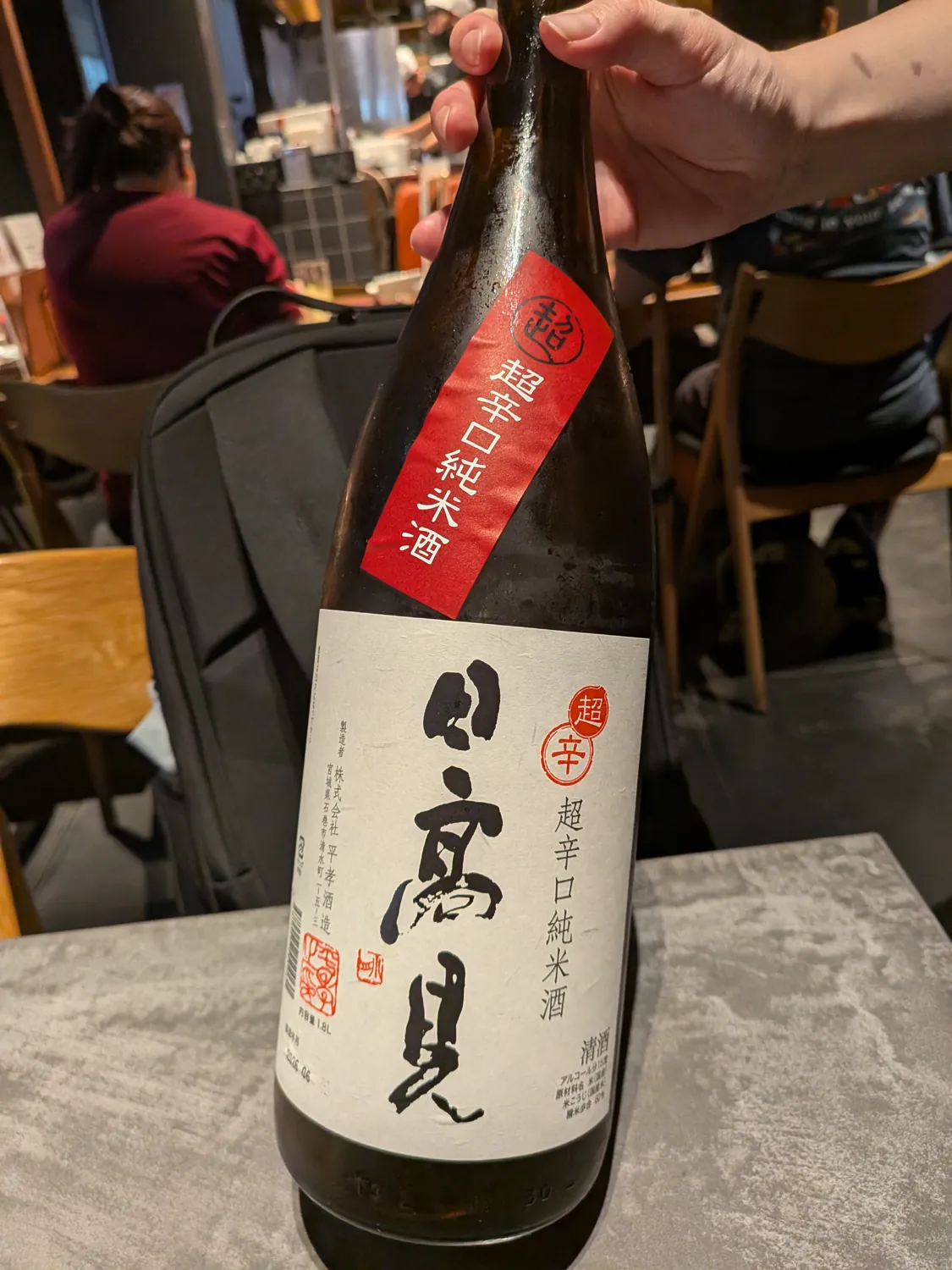
Hitakami Chokarakuchi Junmai photographed during the July 18 visit.
I had tasted Hitakami Chokarakuchi Junmai a week earlier at Chigusa in Shinjuku. At Chigusa, its dry structure and acidity went especially well with tuna, grated yam, and nori. At Maru Bengara, the chilled serving seemed slightly warmer than on that earlier visit, and I noticed more acidity and rice umami. This was a comparison across two meals, not a temperature-controlled test; differences in food, service, and perception may also matter.
My July 18 tasting memo recorded sweetness 2, aroma 2, body 4, acidity 4, umami 3, and finish 4 on the six-axis scale. These are notes from this visit; the canonical Field Note for this sake currently documents the July 11 Chigusa tasting.
At this table, Hitakami worked with the seafood and corn chawanmushi, but the pork belly surprised me more. Its acidity and brisk finish countered the fat and sweet glaze, leaving the dish feeling less heavy between bites.
Kuheiji SAUVAGE 2024: the standout pairing
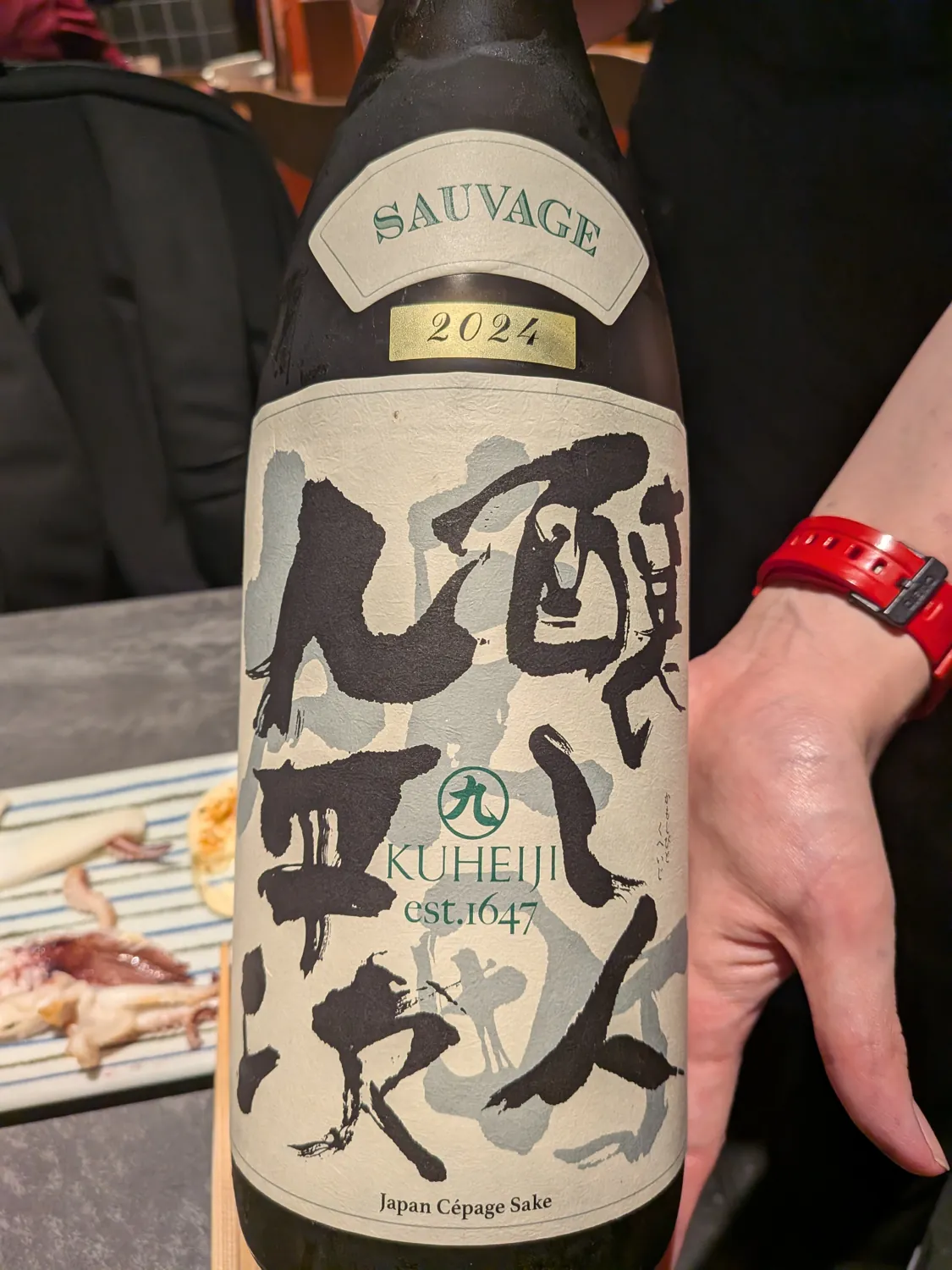
Kamoshibito Kuheiji SAUVAGE 2024, tasted chilled at Maru Bengara.
Kamoshibito Kuheiji SAUVAGE 2024 Kibi no Kuni Omachi brought a different balance: clear acidity, rice umami, gentle sweetness, and a rounded but tidy body. I wrote down sweetness 3 / aroma 3 / body 3 / acidity 4 / umami 4 / finish 3. Its acidity reminded me personally of the mineral-edged freshness I associate with Chablis. That is a tasting analogy, not a claim that the sake is made or tastes like wine.
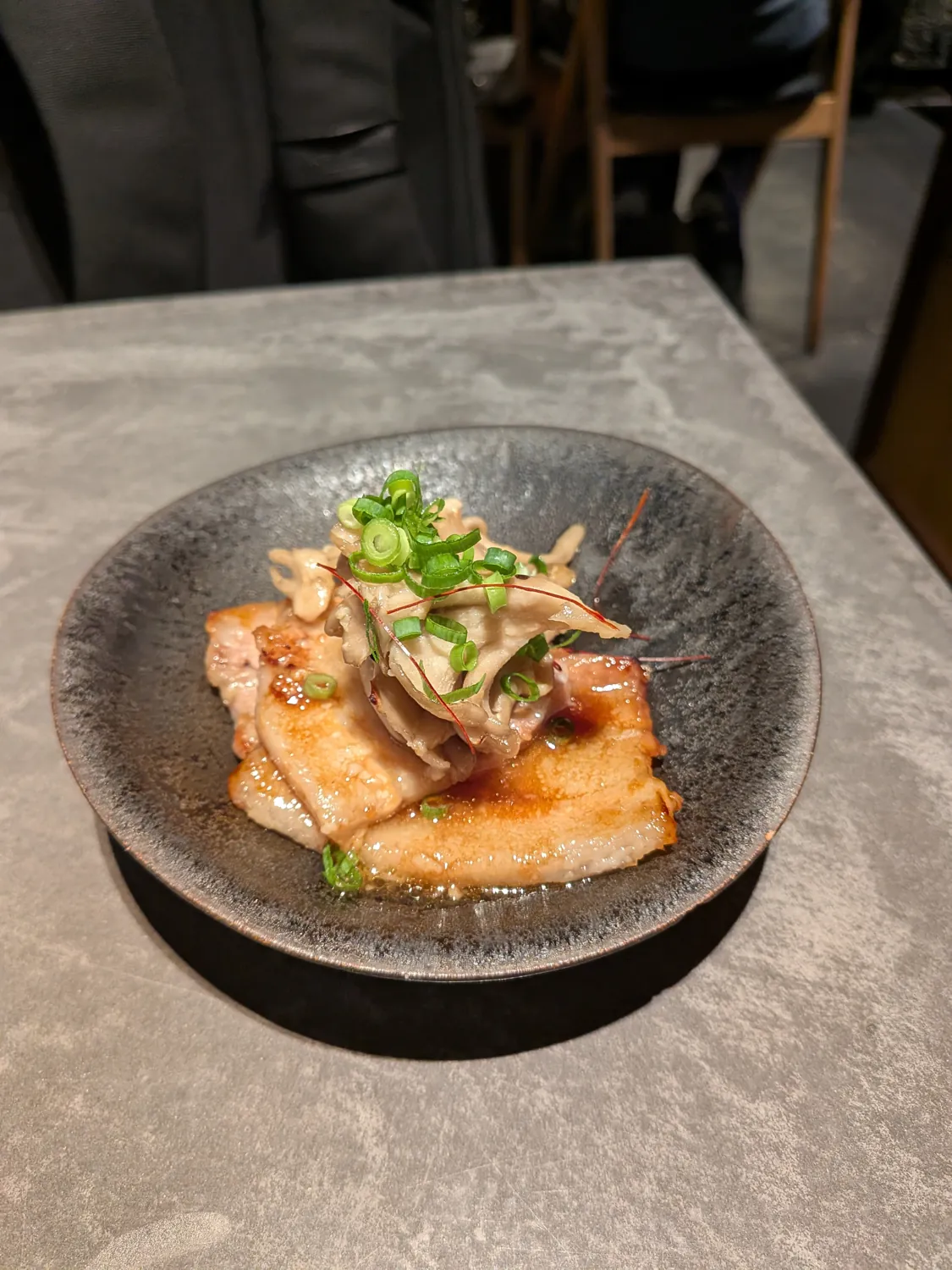
The teriyaki pork belly from this dinner. The sake bottle is shown separately.
The pork’s sweet glaze and a flavor I associated with koji found a counterpart in the Omachi sake’s umami and soft sweetness. The acidity kept the combination from becoming too rich. For me, Kuheiji with the pork was the best match of this visit. I also tasted it with the straw-seared yellowtail and grilled squid, but the pork pairing is the one I would return for.
What the two pours showed
Hitakami felt drier and more sharply finished; Kuheiji had a softer sweetness alongside its acidity and umami. Both handled the teriyaki pork differently: one refreshed the palate after fat and glaze, while the other echoed the dish’s savory-sweet character. That contrast is a more useful memory than placing the bottles in a ranking.
The experience also left me curious about Hitakami. A second restaurant visit suggested a different emphasis from the first, but it did not isolate temperature as the cause. I’d like to compare the same bottle at measured temperatures another time.
For related firsthand pairings, read Hitakami with Chigusa-maki in Shinjuku or aged beef tongue with high-acid sake in Kagurazaka. Explore the sake and food ordering guide and the Taste Map to compare six dimensions across bottles.
Human-reviewed US alternative
Field notes — tasted once in Tokyo
Human-reviewed match
We do not currently track Hitakami Extra Dry Junmai as available in the US, but Kagatobi Yamahai Junmai Extra Dry was selected through human review of our eligible US candidate set — sharing Hitakami's restrained aroma, firm body, bright acidity, and food-friendly umami, with an even drier profile and a shorter, sharper finish.
The original field note paired Hitakami Extra Dry Junmai with Chigusa-maki (tuna and grated yam rolled in nori).
This match was approved from a human-tasted Hitakami Field Note and a traceable human-reviewed Kagatobi TasteScore profile. Kagatobi has not yet been directly tasted by Sake Coordinates.
Affiliate links — we may earn a small commission at no extra cost to you.